
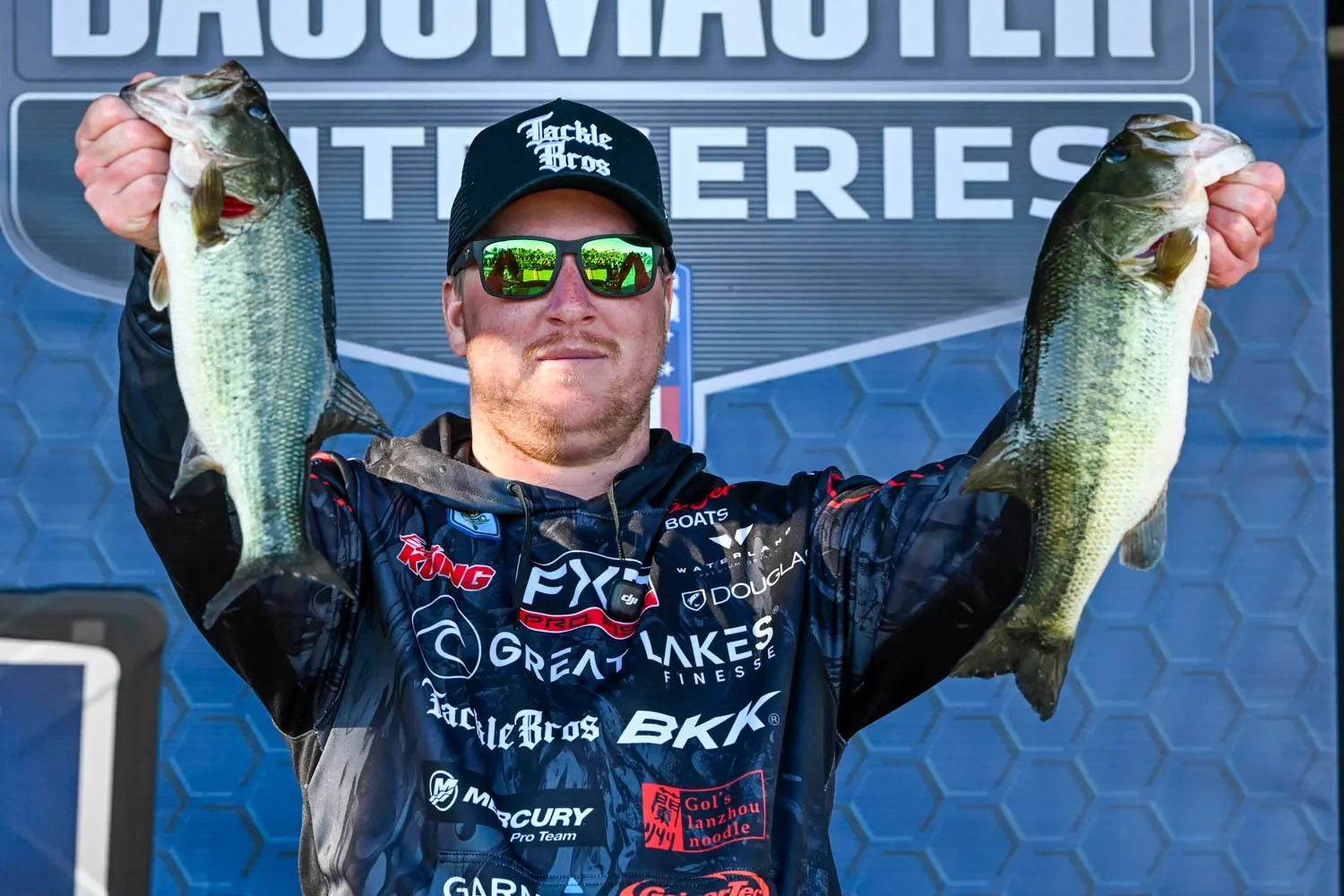
A Canadian angler just put smallmouth bass fishing in the spotlight. Evan Kung's first Bassmaster Elite Series victory on the St. Lawrence River wasn't simply another tournament result. It also highlighted the quality of Great Lakes smallmouth fisheries and the increasingly technical nature of modern lure fishing.
A Canadian angler just made Bass fishing history
On August 30, 2026, Canadian professional angler Evan Kung won the Lowrance Bassmaster Elite at the St. Lawrence River in Clayton, New York.
Kung finished the four-day event with 109 pounds, 9 ounces. According to tournament reporting, that became the heaviest winning weight in Bassmaster history consisting entirely of smallmouth bass.
The victory also qualified Kung for the 2027 Bass Pro Shops Bassmaster Classic. Nine of the ten anglers competing on Championship Sunday reached Bassmaster's Century Club threshold during the event, illustrating just how productive the fishery was that week.
The tournament took place on the U.S. side of the St. Lawrence River, but the wider Lake Ontario–St. Lawrence system is closely connected to the fishing culture and fisheries of Ontario.
Why the St. Lawrence River matters to Canadian lure fishing
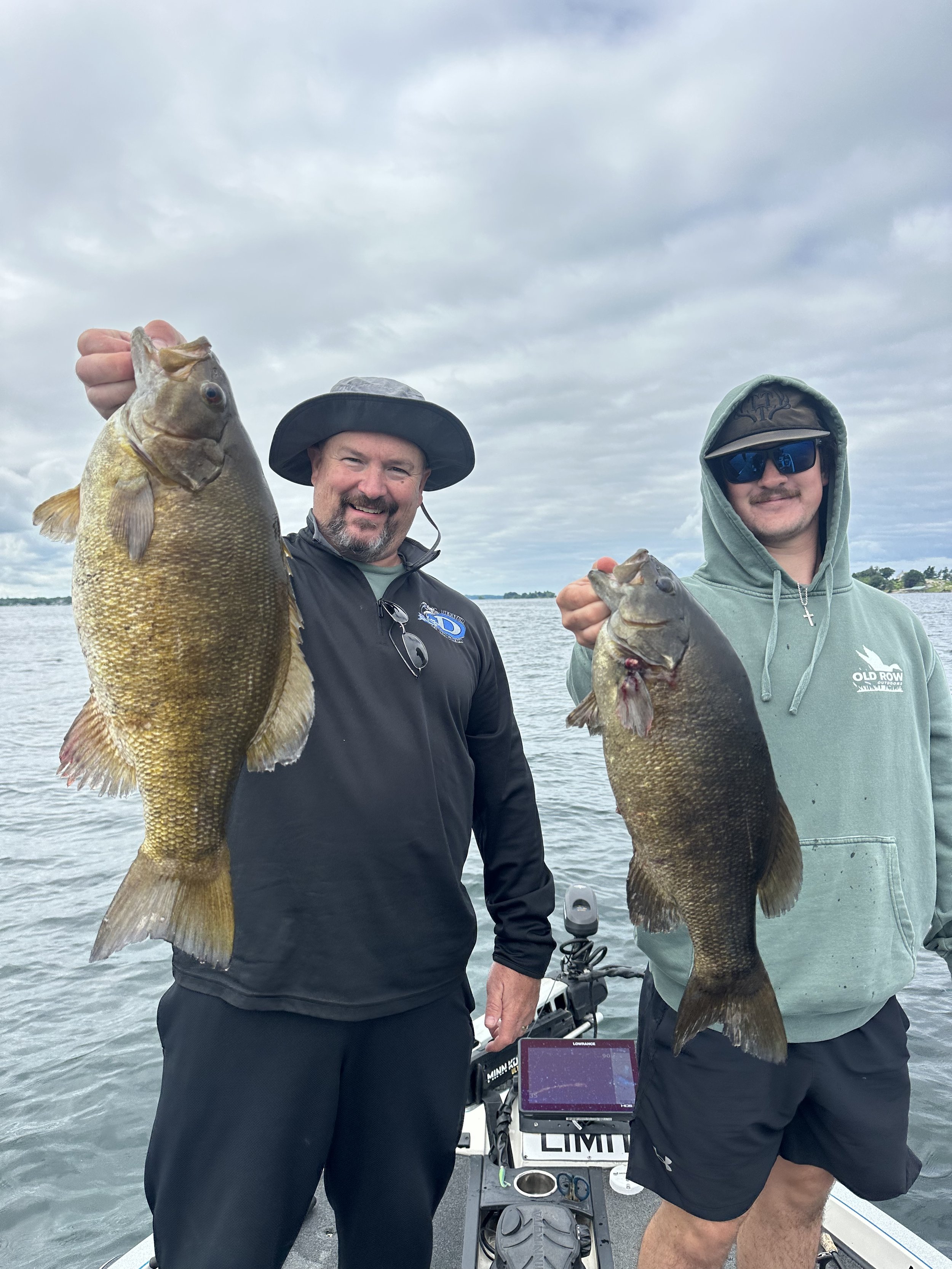
For bass anglers, the St. Lawrence River is more than a famous tournament venue. It is part of one of North America's major freshwater systems, connecting the Great Lakes with the Atlantic.
Its combination of current, rocky structure, shoals, islands, depth changes and abundant forage creates the type of environment in which smallmouth bass can become highly specialized targets for lure anglers.
The interesting part isn't simply that big smallmouth exist here. It's how precisely anglers have learned to target them.
The 2026 Bassmaster event made that point particularly visible. Bassmaster's post-tournament lure coverage highlighted a range of finesse presentations used during the event, while the competition itself produced multiple four-day totals above 100 pounds.

Why smallmouth bass are such a natural fit for lure fishing
Smallmouth bass are particularly interesting to lure anglers because their behavior is strongly connected to underwater structure.
Rocky points, shoals, drop-offs, current breaks and offshore structure can all become important areas depending on water temperature, forage and seasonal conditions.
The lure is only part of the equation
Two anglers can throw the same lure into the same general area and get completely different results.
Retrieve speed, depth, line angle, pause duration and the exact position of the lure relative to rock or vegetation can all change the presentation.
This is one reason finesse techniques are so important in clear-water smallmouth fisheries. Instead of simply covering water, anglers often need to control exactly how the lure moves through the strike zone.
The 2026 St. Lawrence event was also a lesson in lure presentation
Bassmaster's coverage of the event highlighted finesse presentations among the tools used to reach the exceptional smallmouth weights seen during the tournament.
The significance goes beyond a list of successful lures. It demonstrates a broader principle of modern lure fishing: presentation matters as much as lure selection.
- The same lure can behave differently at different depths.
- Current can change the angle and speed of a retrieve.
- A pause can place a lure in the strike zone for much longer.
- Rocky structure can determine where smallmouth position.
- Fish may follow or inspect a lure without actually striking.
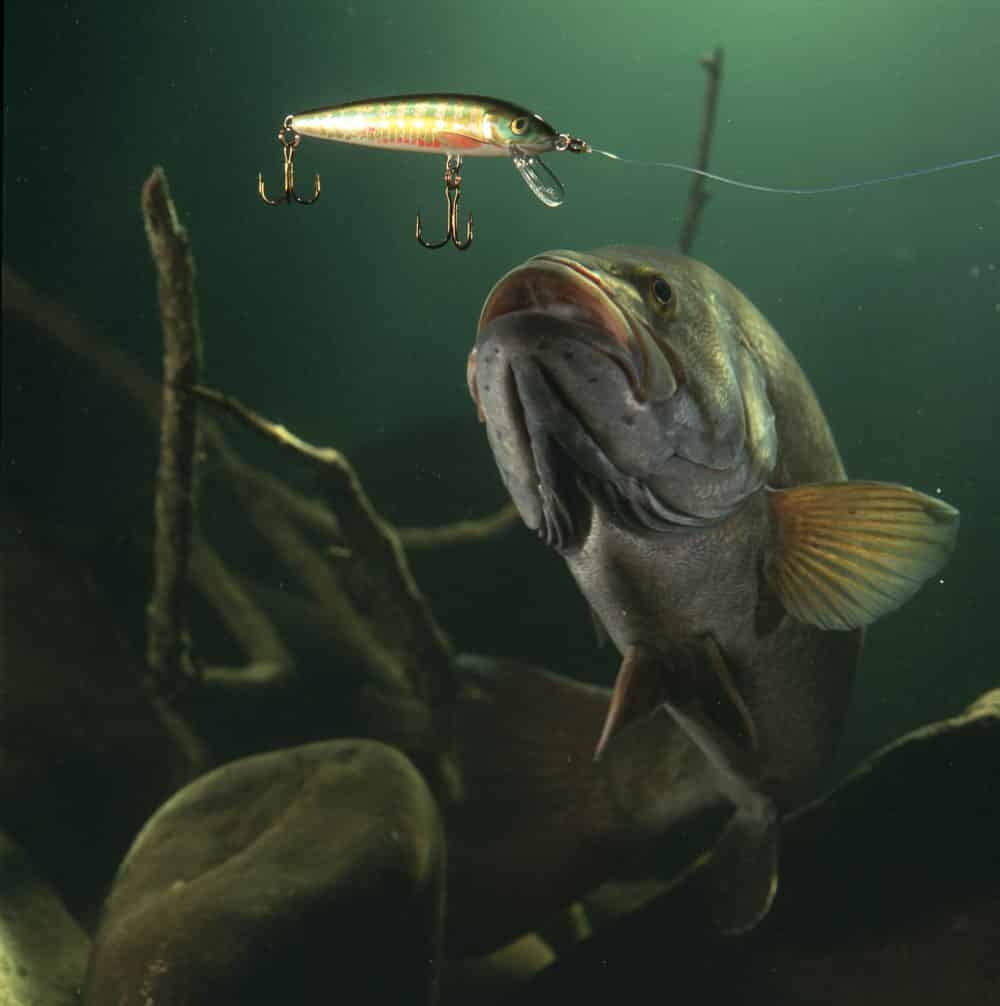
From above the water, many of these details are invisible. That is where underwater observation becomes interesting.
The biggest question in lure fishing is still underwater
You can see the cast. You can feel the lure. You can control the retrieve. You can watch the line.
But you usually cannot see what the lure is actually doing several feet beneath the surface.
Did the bass follow the lure? Did it turn away? Was the lure moving too fast? Was it running above the fish?
These questions become particularly interesting in clear-water smallmouth fisheries, where fish can sometimes inspect a lure before deciding whether to strike.
For anglers who fish the same water repeatedly, recording underwater footage can turn those unanswered questions into something that can be reviewed later.

What tournament-level fishing can teach everyday anglers
You don't need to fish a Bassmaster event to benefit from the same thinking used by professional anglers.
A tournament environment simply makes the process easier to observe: anglers identify productive water, develop a pattern, test lure presentations and constantly adjust based on what the fish are doing.
Start asking better questions
Instead of asking only, "Which lure catches bass?", a more useful question may be:
- Where is the fish positioned?
- How deep is the fish?
- What structure is it using?
- How is the lure moving?
- What happens when the retrieve speed changes?
- Does the fish follow, strike or ignore the presentation?
Those questions shift lure fishing from simply choosing tackle to understanding the entire interaction between fish, lure and habitat.
And now the Canadian fishing calendar is moving into fall
The Evan Kung story arrived at an interesting point in the fishing calendar.
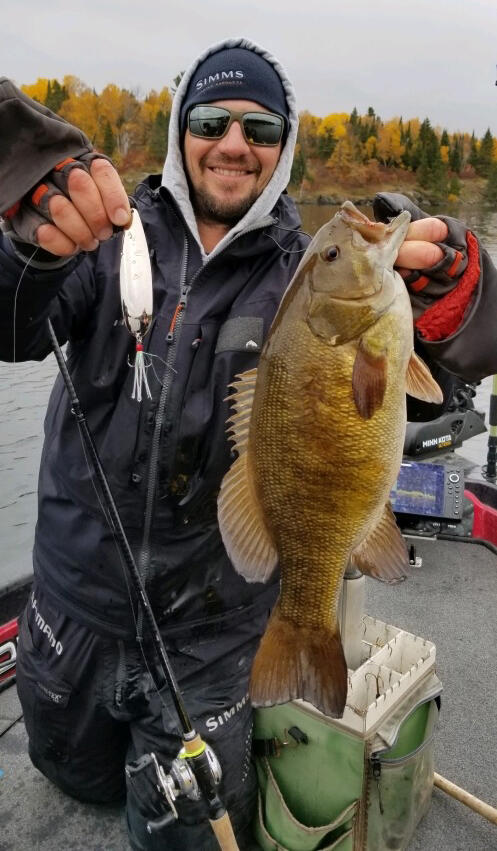
By late September, anglers across Ontario and other parts of Canada are dealing with changing water temperatures, shorter daylight hours and increasingly important baitfish movement.
Current Ontario fishing reports are already highlighting fall patterns for bass and walleye, with vegetation, structure, baitfish and changing light conditions influencing where anglers look for fish.
For lure anglers, this is the point in the year when simply repeating a summer pattern may stop working.
Fall fishing rewards anglers who pay attention to what changed, rather than simply returning to the same spot and throwing the same lure.
This is where an underwater fishing camera becomes useful
An underwater fishing camera does not replace a fish finder, sonar or an angler's experience.
It answers a different question: what actually happened around the lure?
For lure fishing, recorded underwater footage can be used to review:
- Lure action at different retrieve speeds
- Fish following or approaching the lure
- Fish turning away without striking
- Underwater rocks and vegetation
- Water clarity and lighting conditions
- The relationship between lure depth and fish position
The important word here is review. Unlike a sonar or live-view fish finder, a compact castable camera such as the SC100 is designed to record footage that anglers can access after retrieving the camera.
See what happened beneath your lure
For anglers interested in understanding lure presentation rather than simply locating fish, the SHINECAM SC100 takes a different approach to underwater fishing.

The SC100 is a compact underwater fishing camera designed for casting and lure fishing. It records underwater footage near the lure so anglers can review fish behavior, lure movement and underwater structure after retrieving the camera.
SC100 is not a real-time sonar or fish finder. Its role is different: record what happens underwater and give anglers another source of information to learn from after the cast.
Explore SHINECAM SC100 →Canada's lure-fishing scene is becoming increasingly technical
The most interesting part of the recent St. Lawrence story is not simply the record-setting number.
It is what the number represents.
Canadian anglers are competing at the highest levels of professional bass fishing. Great Lakes smallmouth fisheries continue to attract major tournaments. And modern anglers have more tools than ever to understand what is happening beneath the surface.
At the same time, the fundamentals have not changed: read the water, understand seasonal behavior, choose the right presentation and pay attention to what the fish are telling you.
Technology does not remove the mystery from fishing. It gives anglers another way to learn from it.

The next cast is always about learning something
Evan Kung's 2026 St. Lawrence victory has put a Canadian angler and Great Lakes smallmouth fishing back into the spotlight.
But for everyday lure anglers, the bigger lesson may be much simpler: successful fishing comes from understanding what is happening below the surface.
The next time a bass follows your lure without striking, don't automatically change everything.
Ask what actually happened.
How did the lure move? Where was the fish? What structure was nearby? What changed when you paused?
Those are the questions that turn a single fishing trip into something you can learn from long after the boat is back on the trailer.
- Bassmaster — 2026 Lowrance Bassmaster Elite at St. Lawrence River
- Bassmaster — Top Lures at St. Lawrence Elite 2026
- PR Newswire — Kung Clinches First Bassmaster Elite Series Title
- Hooked Ontario — September 2026 Fishing Report
- Ontario — Fishing Regulations Summary
- SHINECAM SC100 — Official Product Page
